FinTech products rarely fail because teams cannot build another dashboard, payment screen, or mobile interface.
Problems usually appear deeper: transaction logic does not scale, integrations become fragile, compliance rules are hard to change, or architecture built for an MVP cannot support growing transaction volume.
Custom FinTech app development should address those risks before they become expensive. Strong financial software combines secure architecture, reliable integrations, regulatory workflows, real-time data, and infrastructure that can scale without making every new feature harder to deliver.
TL;DR
- FinTech app development requires more than web or mobile engineering because payments, identity, risk, compliance, and auditability affect core architecture.
- Custom FinTech app development is most valuable when workflows, integrations, risk logic, or customer experience differentiate the product.
- Secure FinTech app development should address access control, encryption, transaction integrity, auditability, and infrastructure security from the design stage.
- Existing providers are often better for standardized capabilities such as payments or identity verification.
- Custom development should focus on the workflows, data, integrations, and financial logic that create competitive advantage.
- Choosing a FinTech app development company should depend on financial-domain experience, architecture expertise, compliance awareness, and ability to support production systems.
What Is Custom FinTech App Development?
Custom FinTech app development means designing financial software around specific business workflows instead of adapting a generic platform to fit them.
Products may include payment systems, digital banking platforms, lending software, investment applications, compliance systems, embedded finance, or financial marketplaces.
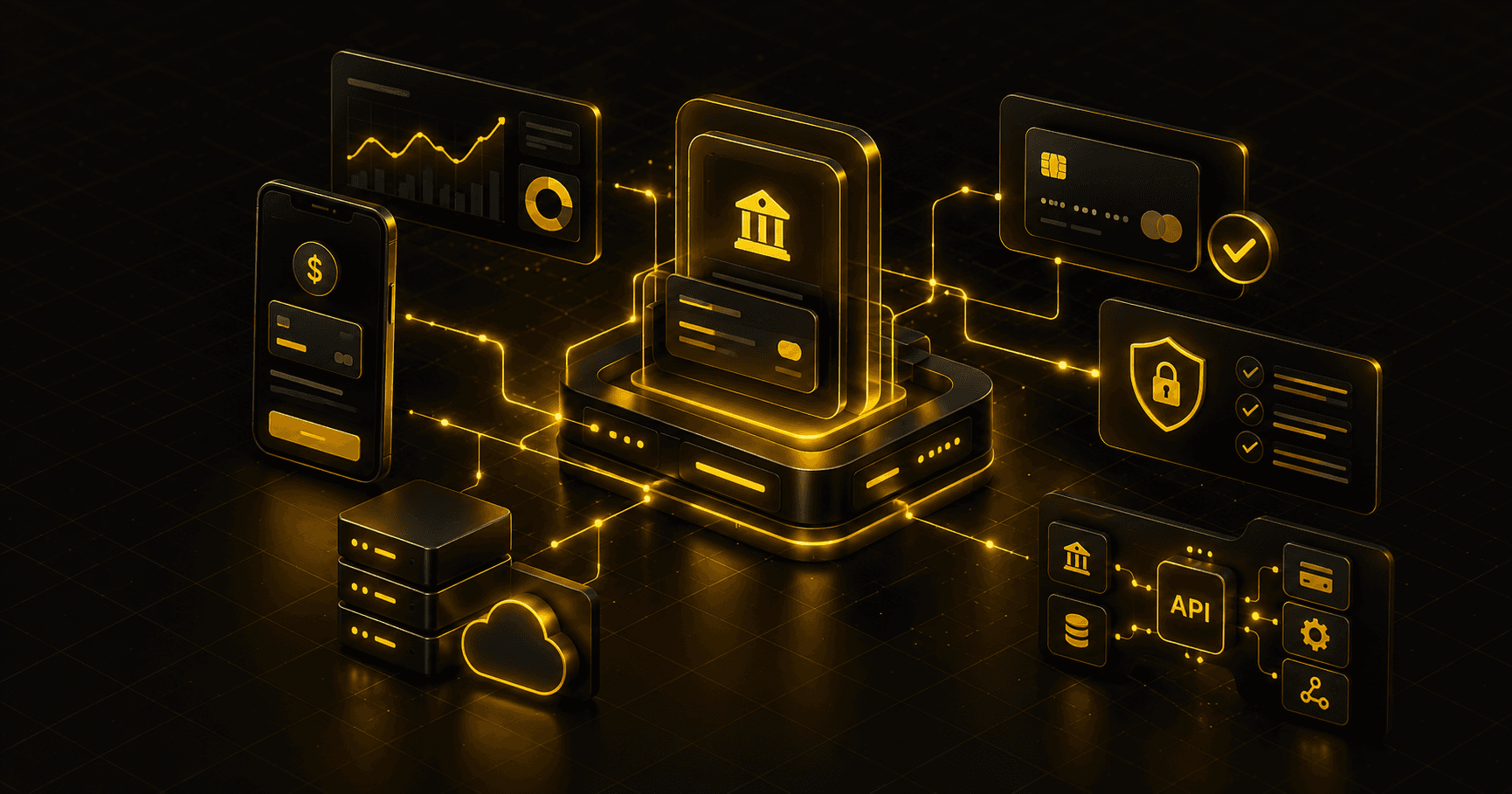
FinTech application development typically combines customer-facing web or mobile applications with transaction logic, financial integrations, security controls, analytics, cloud infrastructure, and risk or compliance workflows.
That makes financial services software development different from building a standard consumer app.
Payment status cannot become inconsistent between systems. Authorization errors can expose financial data. Failed reconciliation can create operational work. Compliance rules may change while core product logic remains the same.
Architecture must reflect these realities from the beginning. UppLabs'FinTech Software Development services cover payment platforms, digital banking, fraud detection, credit scoring, KYC/AML automation, regulatory workflows, and financial APIs.
How to Develop a FinTech App: Start With Financial Workflows
Teams asking how to develop a FinTech app often start with features. Better starting point is the movement of money, data, decisions, and risk.
Payment workflow, for example, may need to authenticate a user, validate transaction limits, call an external provider, perform fraud checks, update transaction state, create an audit record, and reconcile the payment later.
Each step can fail independently.
Discovery should therefore clarify:
- which actions are high risk or irreversible;
- which system owns transaction state;
- which external providers are required;
- what financial and customer data must be stored;
- which actions need additional verification;
- how integration failures should be handled;
- what transaction volume architecture must support.
Clear answers reduce expensive redesign later.
UppLabs'Web & Mobile Development service supports web, React Native, native mobile, APIs, real-time functionality, and cloud-ready product architecture capabilities that naturally complement FinTech development.
Core Architecture of Scalable FinTech Software
Scalability does not mean simply adding more servers. Financial systems need to grow while preserving transaction consistency, security, observability, and predictable failure handling.
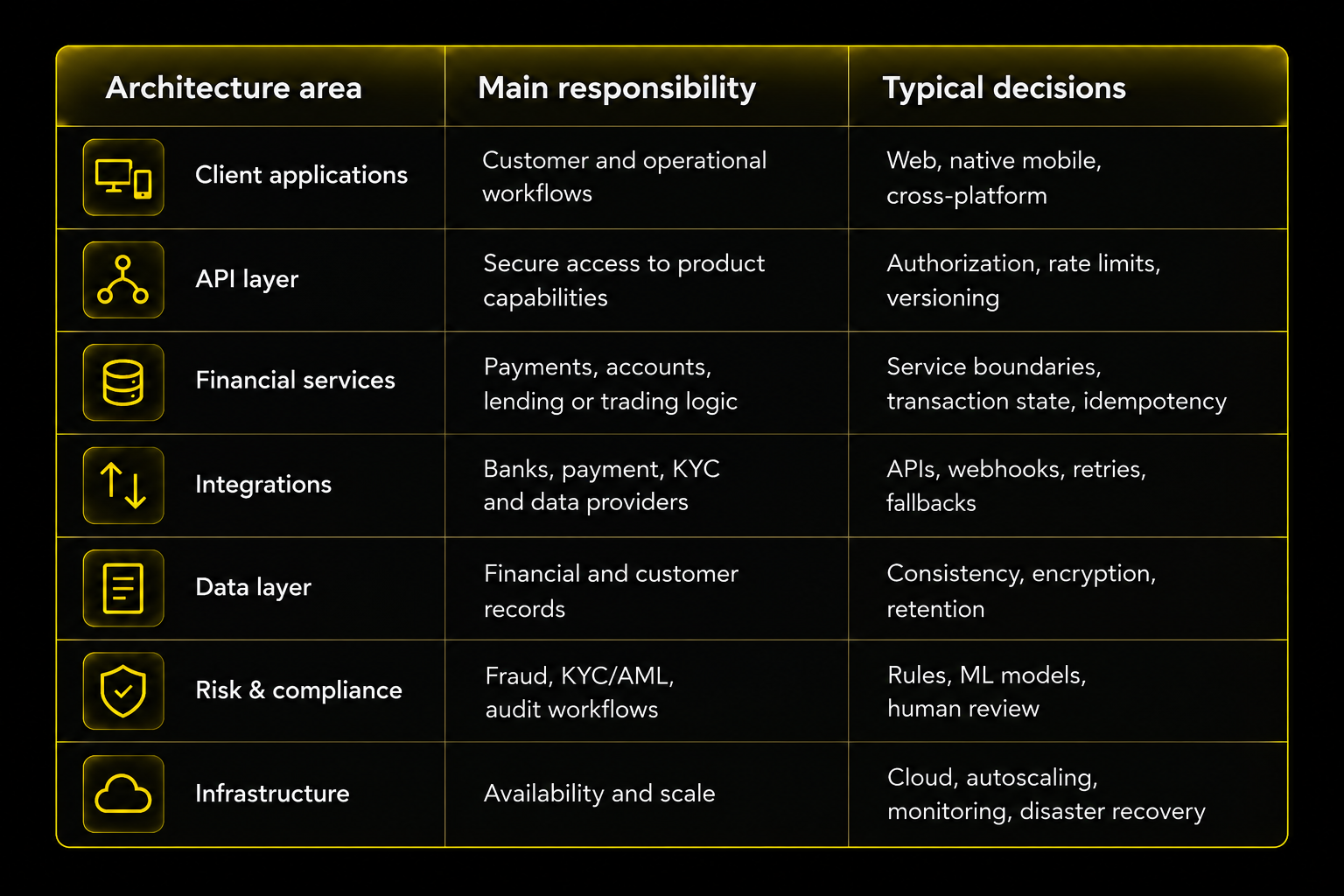
Microservices are not automatically better than a well-designed modular application.
Architecture should follow complexity, scale, deployment requirements, and how independently different capabilities need to evolve.
UppLabs' Paynexa case study shows this in practice: payment infrastructure needed to support high transaction volume, PCI DSS requirements, multiple payment methods, and real-time fraud detection.
Secure FinTech App Development Starts With Architecture
Security should not arrive as a penetration test shortly before release. Secure FinTech app development begins with identity, permissions, sensitive data, integrations, transaction integrity, logging, and infrastructure.
Common controls include strong authentication, role-based authorization, encryption, secrets management, secure APIs, audit trails, dependency monitoring, and continuous testing.
Financial products also need protection from business-logic abuse. Requests may be technically valid but still malicious, such as account takeover, transaction manipulation, fraudulent onboarding, or attempts to bypass limits.
For a deeper security-focused discussion, see Security Practices for Fintech Projects and Security in SDLC.
Compliance Should Be Part of Product Workflows
Compliance requirements depend on product type, geography, financial services, and data. Hard-coding compliance logic into unrelated product components makes future changes difficult.
Better architecture separates configurable rules, verification providers, risk decisions, evidence, case management, and audit data where appropriate.
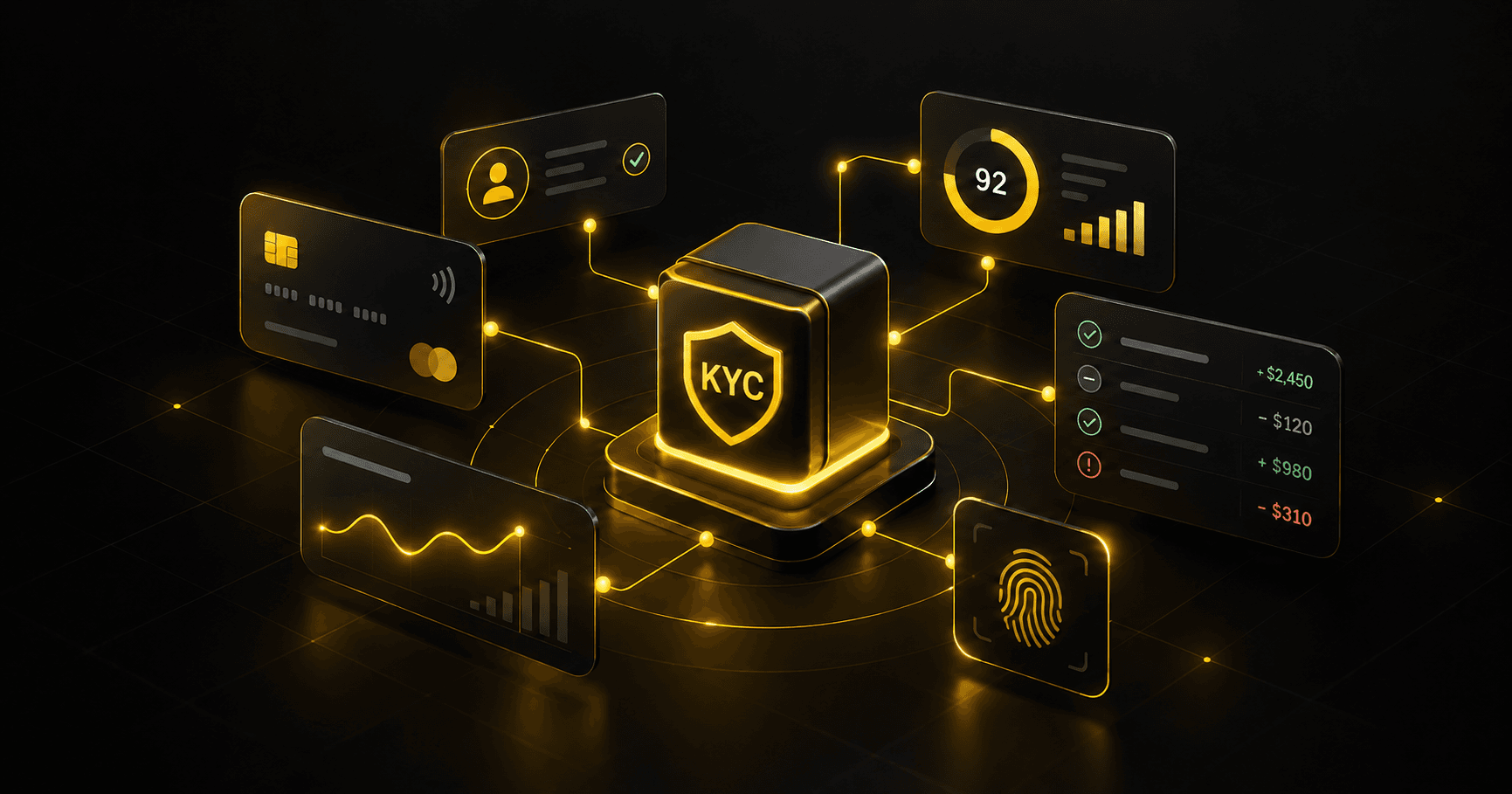
KYC is a good example. Identity verification may involve document checks, sanctions and PEP screening, risk assessment, exceptions, human review, and ongoing monitoring.
UppLabs'KYC Automation in FinTech explains how these checks can operate as one compliance workflow instead of a collection of disconnected tools.
Custom software development for financial services becomes especially valuable when multiple providers, customer types, markets, or proprietary policies need to work within one controlled process.
Where AI Fits Into FinTech Software Development
AI is useful when it improves a meaningful financial decision or removes expensive manual work.
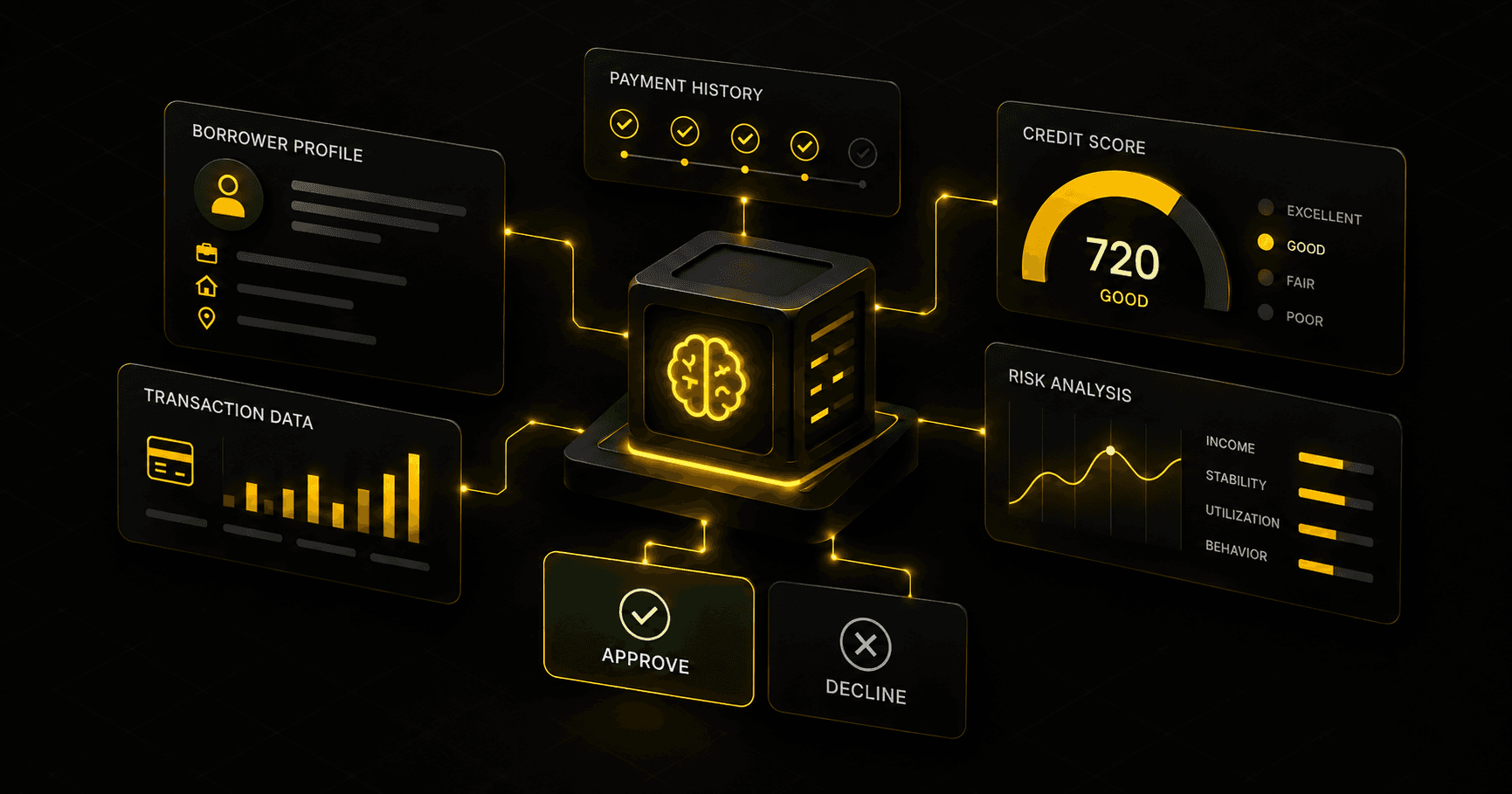
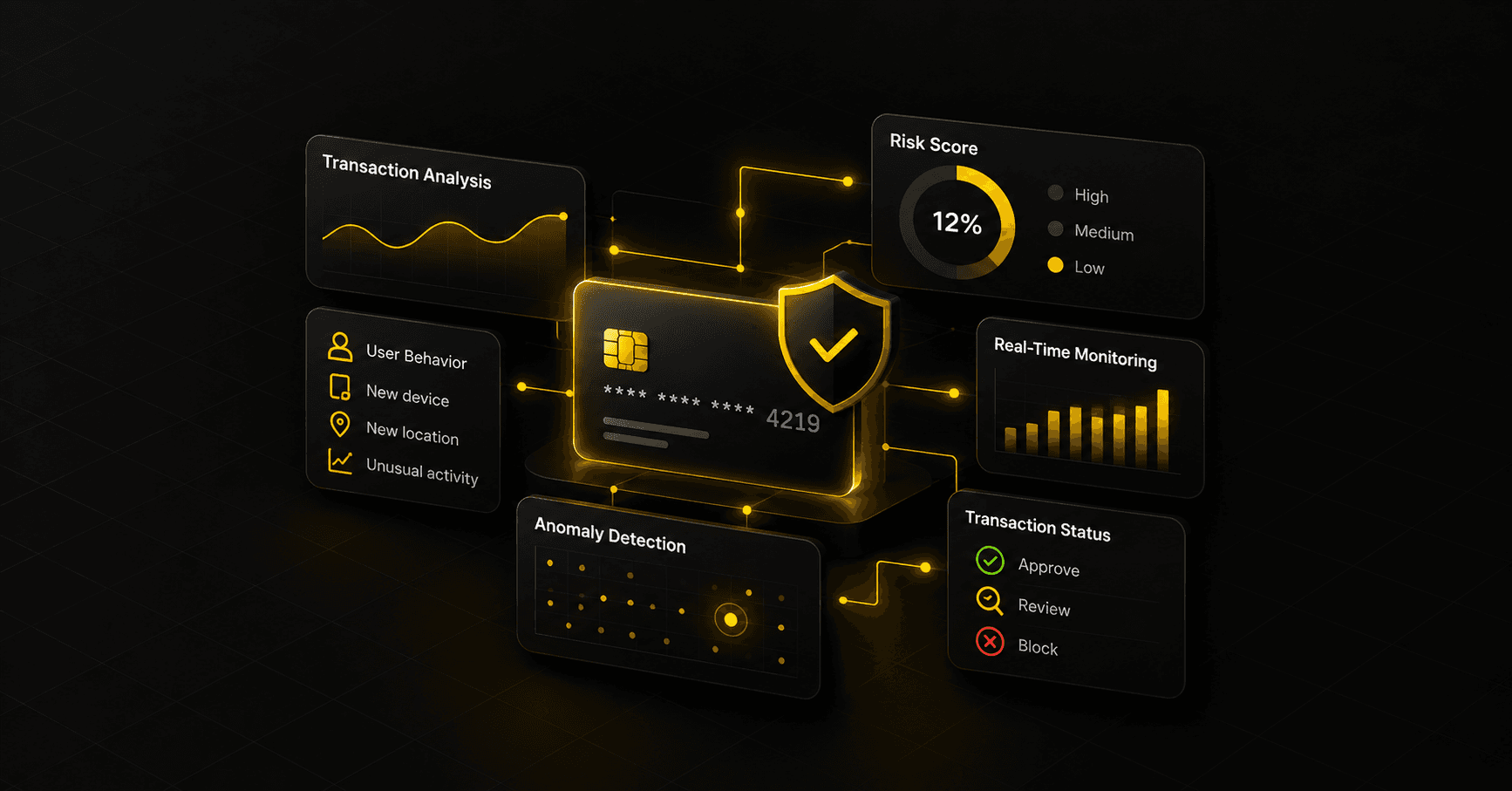
Typical applications include fraud detection, credit scoring, compliance prioritization, document processing, and customer support.
AI should still operate inside a broader decision architecture.
Model output needs reliable data, thresholds, fallback logic, monitoring, and human escalation where necessary.
UppLabs covers these use cases in more depth in Fraud Detection in FinTech and AI Credit Scoring in FinTech.
FinTech Mobile App Development Requires More Than UI
FinTech mobile app development adds another layer of security and reliability requirements.
Users expect fast authentication, clear transaction status, responsive dashboards, notifications, and dependable access to financial data.
Mobile banking app development may also require biometrics, secure local storage, session controls, device-level security, push notifications, and consistent backend state.
Cross-platform development can reduce duplicated effort when iOS and Android requirements are similar. Native development may be preferable when performance, security, or platform-specific capabilities justify separate implementations. Technology should follow product constraints rather than trend.
Build vs Buy: What Should Be Custom?
Building every component internally rarely creates more value. Mature providers can often handle standardized capabilities such as payment processing, identity verification, banking connectivity, market data or notifications.
Custom engineering is more useful where differentiation or control matters.
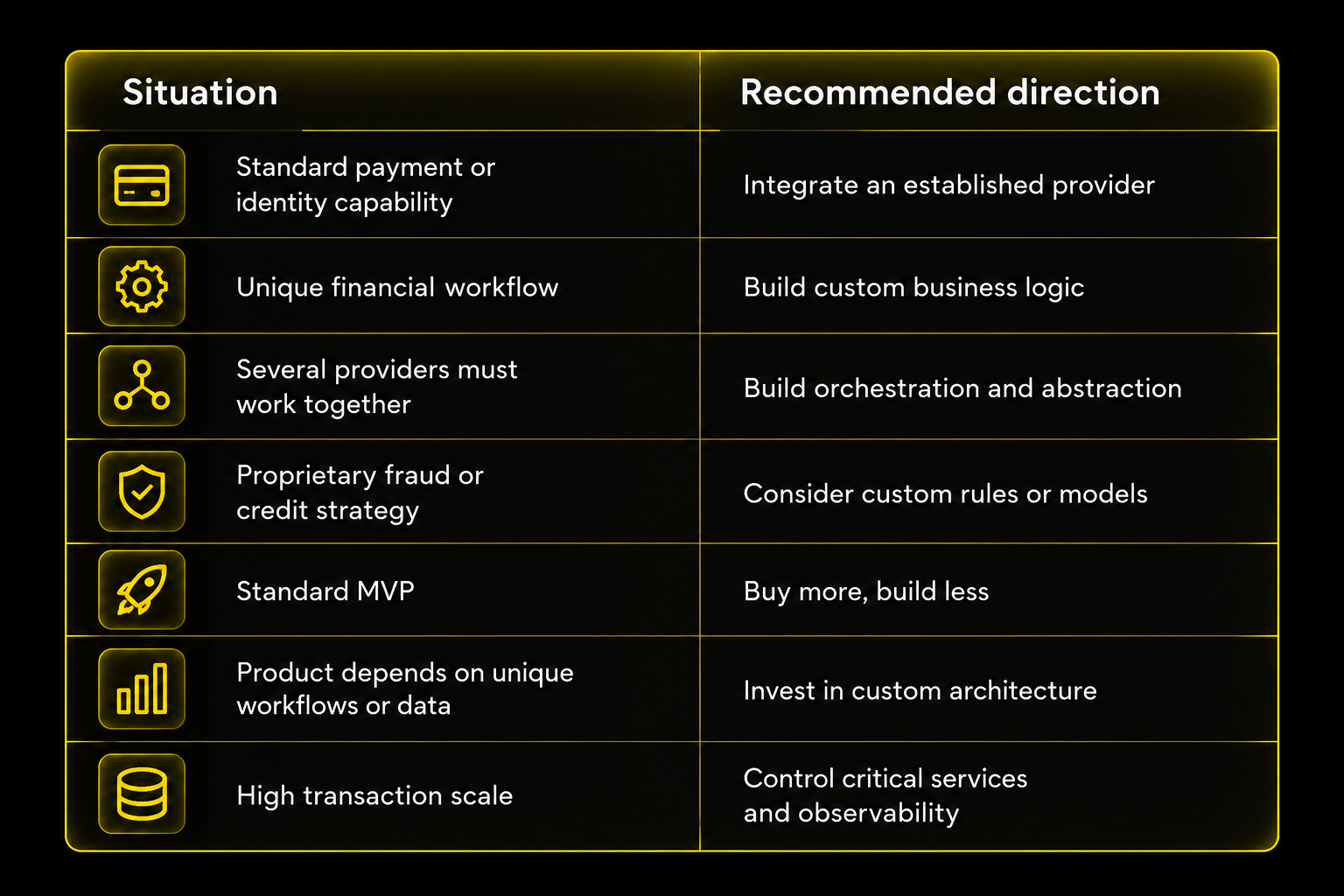
Good fintech app development services should help define this boundary instead of maximizing the amount of custom code.
Choosing a FinTech App Development Company
Right FinTech app development company should understand both software engineering and financial-product constraints.
Relevant portfolio is especially important because financial systems expose architecture weaknesses quickly at scale.
UppLabs' TenureX case study demonstrates experience with correspondent banking, financial integrations, and high transaction volume. Broader portfolio includes payment, tax, investment, lending, and banking products.
When comparing fintech app development companies, evaluate:
- experience with financial workflows;
- architecture skills for scale and availability;
- security and compliance engineering;
- financial API and provider integrations;
- backend, web, mobile, cloud, and QA capabilities;
- evidence from production FinTech products.
Price matters, but poor architecture can cost far more than development savings. For detailed budgeting considerations, see UppLabs'FinTech App Development Cost guide.
Decision Framework: Which Development Approach Fits?
Choose a provider-led approach when workflows are standardized, speed to market is the priority, and differentiation comes mostly from customer experience.
Choose custom fintech app development when value depends on proprietary financial logic, multiple integrations, complex compliance, custom risk workflows, or high transaction scale.
Hybrid architecture is often the strongest option. Use proven providers for commodity infrastructure, then build the orchestration, experience, financial logic, data layer, and risk controls that differentiate the product.
This gives teams control without recreating mature infrastructure.
Building Financial Software With UppLabs
UppLabs combines fintech software development with Web & Mobile, AI/ML, cloud engineering, quality engineering, and product delivery.
FinTech experience spans payments, banking, fraud detection, credit scoring, compliance automation, investment platforms, tax software, and financial APIs.
Teams can engage UppLabs for end-to-end development or extend existing engineering capacity around specific product challenges.
Goal is not to build more software.
Goal is to create financial infrastructure that can support more users, transactions, integrations, and regulatory complexity without becoming harder to operate.
FAQ
What is FinTech app development?
FinTech app development is the design and engineering of software for payments, banking, lending, investing, insurance, compliance, and other financial services.
What is custom FinTech app development?
Custom FinTech app development builds financial software around specific workflows, integrations, data, risk models, and customer requirements instead of relying entirely on generic platforms.
What should FinTech app development services include?
Services may include discovery, UX, architecture, backend development, fintech mobile app development, financial integrations, security, compliance workflows, cloud infrastructure, QA, DevOps, monitoring, and support.
How is FinTech mobile app development different from regular app development?
Financial apps usually require stronger identity, transaction, data-protection, audit, integration, and reliability controls because they handle sensitive information and high-risk actions.
Should FinTech companies build or buy software?
Standard infrastructure is often better integrated from established providers. Custom development makes more sense where proprietary workflows, data, financial logic, integrations, or user experience create competitive advantage.
What should I look for in a FinTech app development company?
Look for FinTech experience, secure architecture expertise, financial integration knowledge, production-scale engineering, transparent delivery processes, and relevant portfolio examples.
How can financial software scale securely?
Scalable financial software needs reliable transaction state, controlled access, resilient integrations, monitoring, auditability, security testing, and predictable failure handling as volume grows.