Total digital wallet users worldwide are projected to exceed 5.2 billion in 2026, up from 3.4 billion in 2022. This isn't just a trend — it's a fundamental shift in how money moves.
What Are Digital Wallets?
Digital wallets are specialized software that stores users' money electronically, providing access to payment methods, discount coupons, and loyalty cards in a single interface. They come in several flavors:
- Mobile Wallets — smartphone/tablet/smartwatch based (Apple Pay, Google Pay)
- Open Wallets — issued by banks, supporting any transaction type
- Semi-closed Wallets — limited to specific merchant networks
- Closed Wallets — restricted to the issuing company only
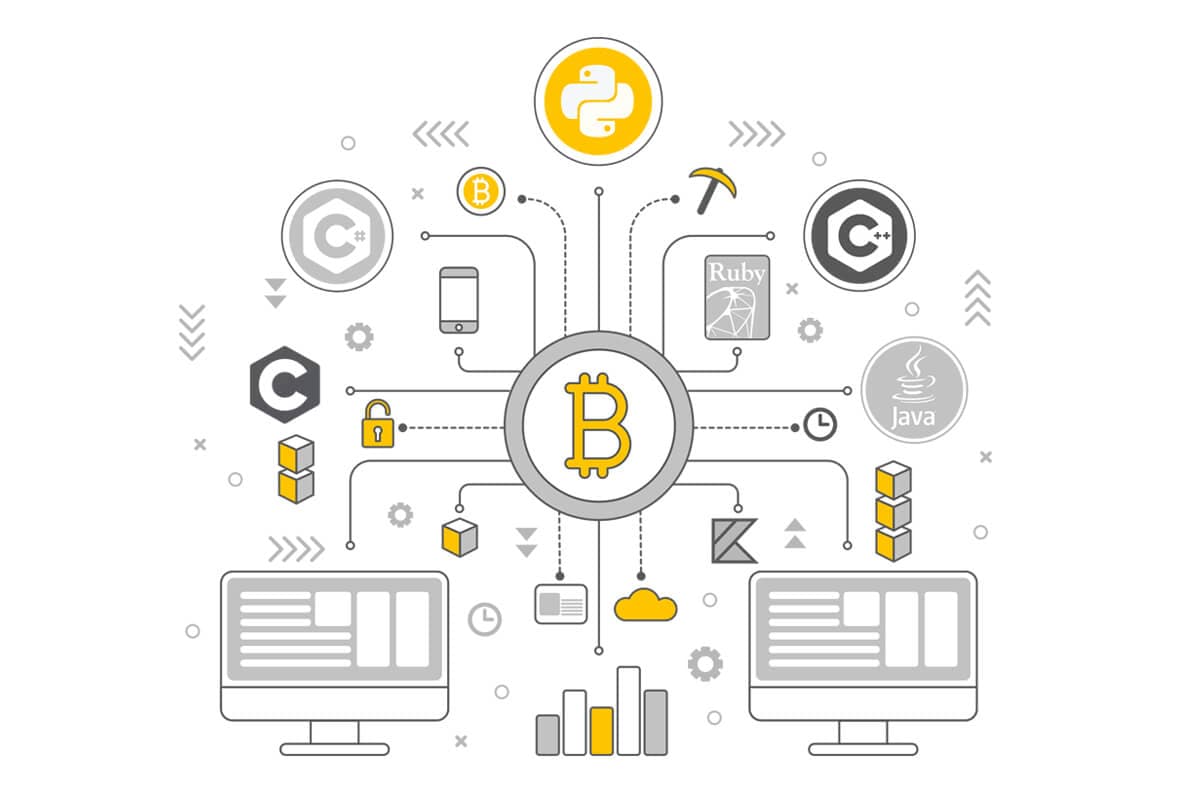
- Cryptocurrency Wallets — storing and managing digital assets
Why Digital Wallets Are Winning
- Simplicity: takes moments to register and start transacting
- Mobility: access funds anytime, anywhere, on any device
- Security: unique transaction identifiers, biometric authentication
- Speed: instant transfers regardless of holidays or weekends
- Financial preservation: electronic funds cannot be physically lost
Impact on Traditional Banking
FinTech companies are delivering superior customer experiences with enhanced safety, reliability, and affordability. Banks are responding with application modernization, digital workspace solutions, and multi-cloud infrastructure.
The future belongs to institutions that leverage behavioral data for AI-powered personalization — using voice, biometrics, and wearable interactions to create seamless financial experiences.
“The banks that thrive will be those that treat digital wallets not as a threat, but as the new foundation of customer engagement.”